logo

Ballygarry Estate Hotel and Spa
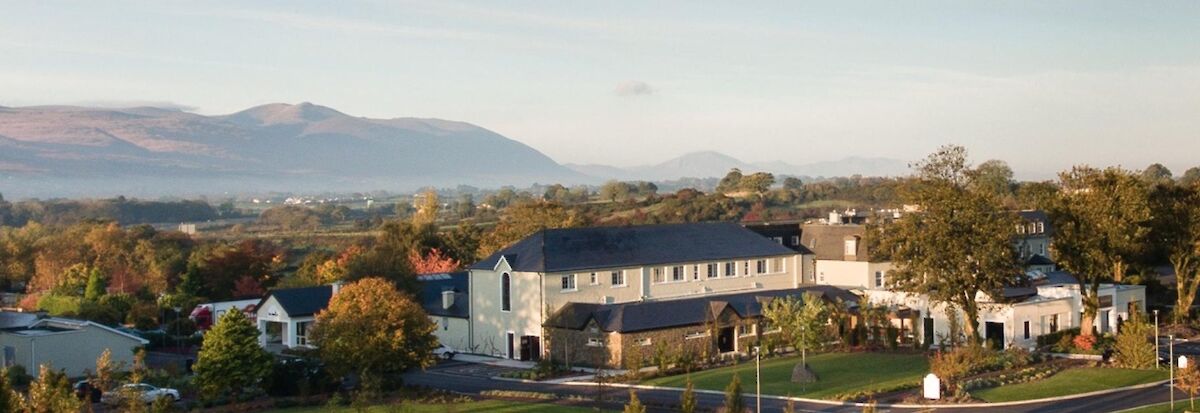
Ballygarry Estate Hotel and Spa is situated in a picturesque countryside setting located 1km outside of Tralee in County Kerry.
Background
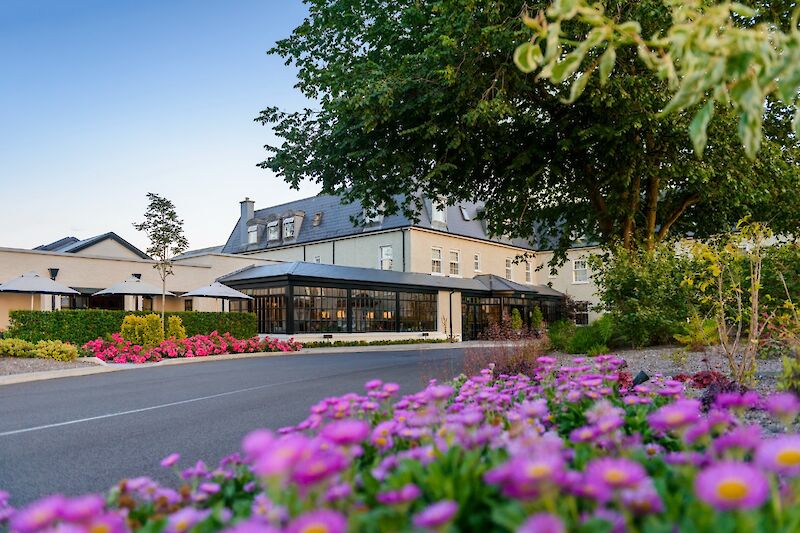
Ballygarry Estate Hotel & Spa is an award-winning hotel located in Tralee, Co. Kerry. This hotel sits on 180 acres of land in the heart of the Wild Atlantic Way.
VESI Environmental were requested by the hotel with the task of developing an Integrated Constructed Wetland (ICW) for the total management of wastewaters produced in the facility. The ICW approach was chosen for its sustainable and cost-effective approach to the management of wastewaters.
Intro - continued
Integrated Constructed Wetlands can be successfully applied to hotel applications of all scales. At Ballygarry Hotel all wastewater generated is ultimately managed by the on-site ICW. Natural processes taking place in the system on a continuous basis result in a high level of water treatment and a reduction of water volumes especially during summer months even when the hotel may be at its peak.
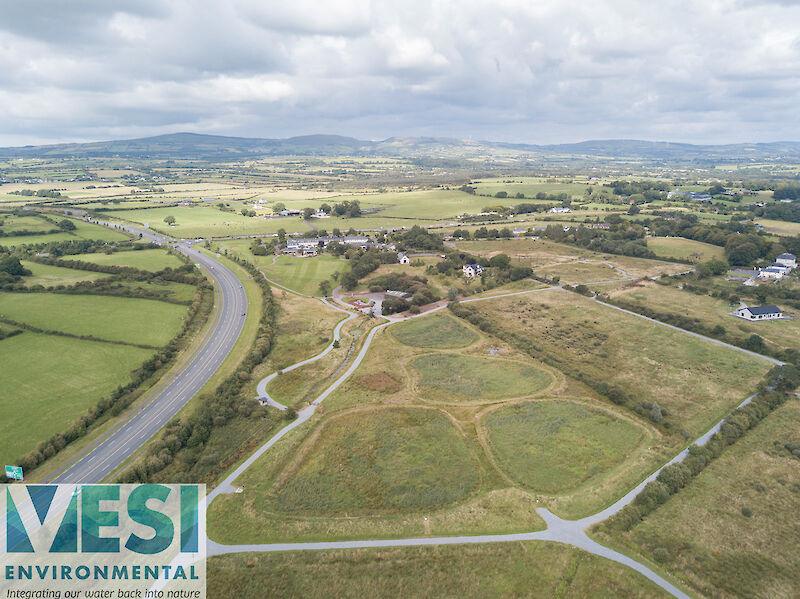
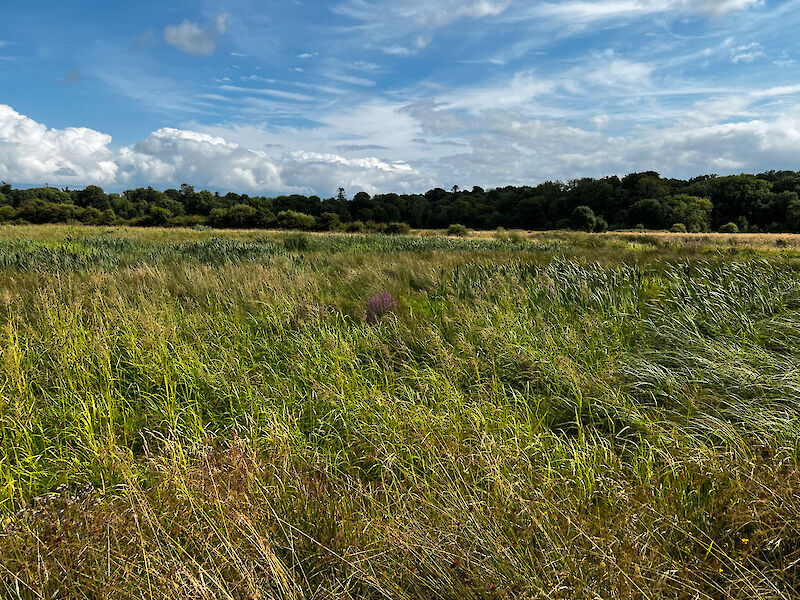
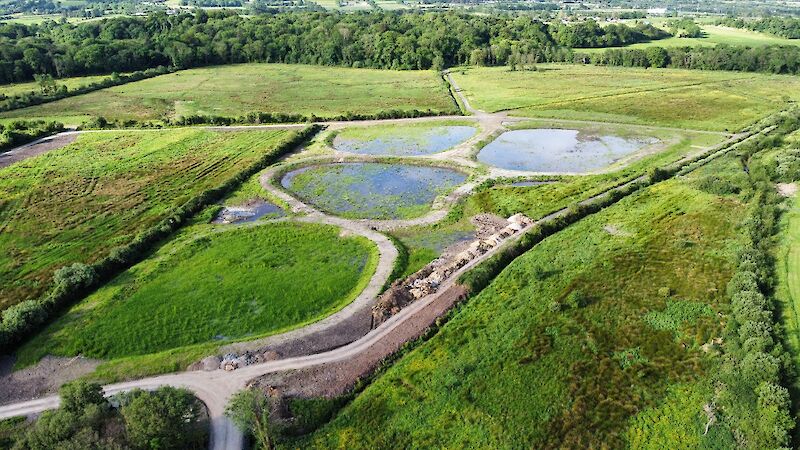
The ICW is designed to fit with the surrounding landscape through construction of organically shaped treatment cells. These cells are densely planted with native wetland species, which function to treat the wastewater and capture any odours. Cascading flows through the system are achieved by gravity thereby reducing energy costs associated with pumping.
Total Wastewater Management
The ICW at Ballygarry has been developed to deliver high treatment efficiency of all wastewaters generated at the hotel and spa through natural processes, while requiring minimal energy (pumping only).
The ICW as a treatment system focuses also on providing an area of biodiversity and amenity and has been incorporated into the grounds of the estate that can be enjoyed by its visitors for its array of vegetation and wildlife that will establish and flourish within the system.
We highlight the following as some of the benefits/values of ICWs
- carbon sequestration (storage);
- aesthetic value;
- flood alleviation/abatement;
- enhancement of biodiversity;
- provision of species for pollination;
- ecotherapy;
- retrieval (recycling) of water-vectored materials such as metals and organic matter;
- develop new wetland-dependent resources;
- facilitate biodiversity and reanimation of habitats; and
- facilitate awareness of the values of wetlands and act as a form of education.
Design
The ICW at Ballygarry Estate Hotel & Spa has been developed to deliver excellent wastewater treatment efficiencies through a variety of naturally occurring processes, while requiring minimal energy input (pumping only).
Each ICW is designed on a site-by-site basis, with the design influenced by a variety of factors such as site topography, geology, hydrology, ecology and wastewater characteristics (quality and volume). In order to obtain information on the above, site investigations are carried out including field studies, topographical surveys, soil and water analysis. It is vital that appropriate background information is obtained so that the ICW design will meet the specific requirements of the project in question.
As well as delivering excellent wastewater treatment efficiency, an important deliverable for this project was to provide an area rich in biodiversity, supporting a variety of native wetland plant species, invertebrates and birdlife. In addition, the use of the ICW as an amenity feature for both hotel visitors and workers alike was incorporated into the design.
As ICWs revolve around the concept of working with nature, this inherently provide a host of benefits and services such as:
- Carbon sequestration (storage)
- Aesthetics
- Flood attenuation
- Biodiversity enrichment and habitat creation
- Nutrient cycling
- Development of new wetland-dependent resources
- Recreational, educational and eco-tourism opportunities
ICW Construction
The main earthworks activities involved in the development of the ICW were levelling, excavation, and the placement of soils for the enclosing embankments around each treatment cell. While simple in concept, there are multiple considerations in the construction phase such as the appropriate compaction of cell bases (to prevent exfiltration), levelling of cell bases, and implementation of suitable topsoil to use as a planting medium.
A pump is in place to convey the wastewaters from the settlement tank to the ICW. Influent travels through the system and to the receiving waters by gravity in a sequential and cascading manner, prior to discharging to the adjacent drain which flows into the River Lee.
There are a series of pathways around the estate grounds which include pathways around the ICW to allow guests an visitors to enjoy this unique environmental feature.
Operations, Monitoring, and Maintenance
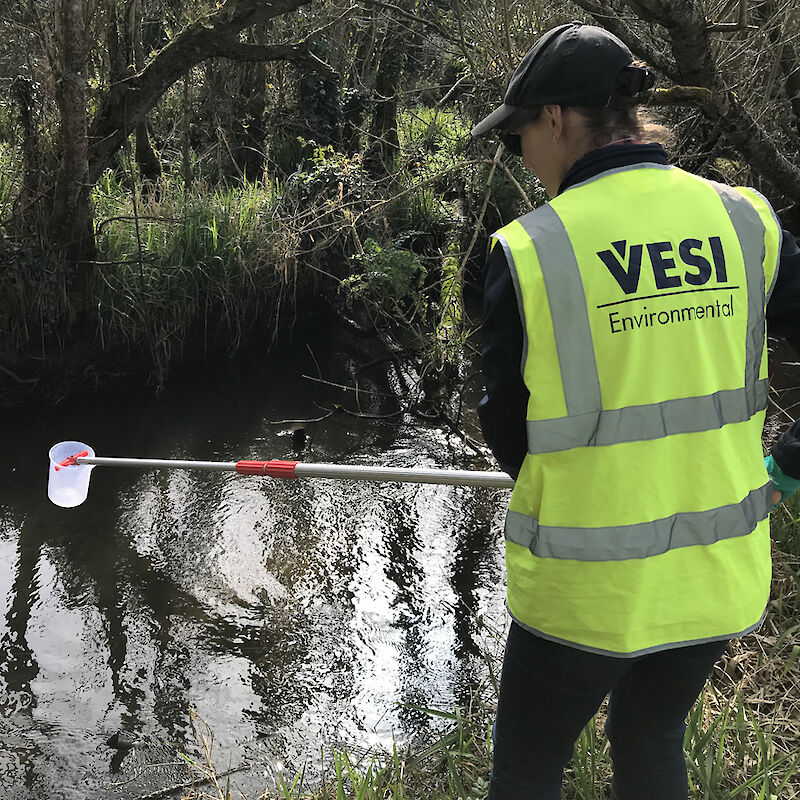
ICWs are extremely robust systems but they do still require active upkeep through monitoring and maintenance activities. Regular operating, monitoring, and maintenance activities ensure wastewater treatment performance is continuous and the site operates in compliance with regulatory requirements.