ICWs: Lifelines for Biodiversity
The term 'biodiversity' refers to the the variety of living species on Earth. This includes everything from the bacteria in the soil to the largest creatures in our ocean, from the simplest fern to the most advanced flowering plants. Biodiversity is the measure of this life and it is an important concept to both understand and work to protect. In recent years, we have seen unprecedented declines in global biodiversity, a trend that is showing no signs of improving without serious intervention.
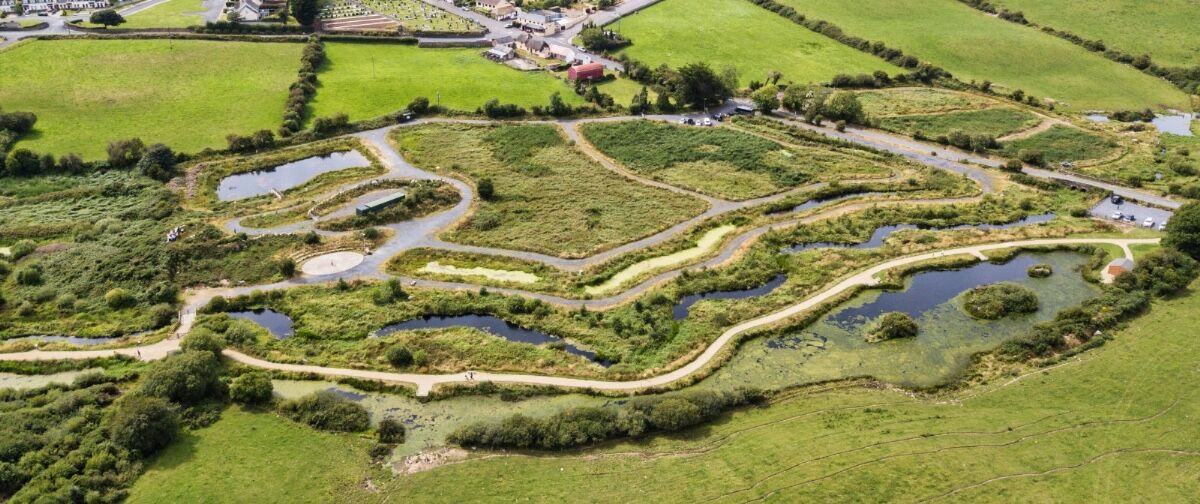
As our ICWs are designed to mimic the form and function of naturally occuring wetland habitats, they provide high quality habitat for a variety of invertebrates, plants, birds, mammals, and amphibians. As the global cover of wetland habitats has declined substantially in recent years, ICWs provide habitat for plants and animals that simply can not exist in the absence of suitable wetland habitat.
In addition to providing habitat for a variety of plant and animal life, ICWs act as vital 'ecological stepping stones'. These can be thought of as a stopping point between two, otherwise seperated habitat fragments. Animals use the area to rest, feed and take shelter. When they are ready, they can move on to the next habitat fragment. Without this ecological stepping stone (ICW), the trip from one habitat fragment to the next would have been much more difficult, or impossible.
Entice wildlife and create new habitats